您现在的位置是:首页 > cms教程 > WordPress教程WordPress教程
WordPress主题制作之怎么制作comments.php文件
 梦柏2023-10-31WordPress教程已有人查阅
导读今天我们来制作评论主题的评论模块。在主题目录Aurelius下新建comments.php,在single.php剪切以下代码,粘贴到comments.php:
今天我们来制作评论主题的评论模块。在主题目录Aurelius下新建comments.php,在single.php剪切以下代码,粘贴到comments.php:
为了安全起见,不让恶意用户直接打开评论文件,请在comments.php头部添加以下代码:
函数名称函数功能get_avatar($comment, 48)获取评论者的gravatar头像,尺寸为48 * 48comment_reply_link()回复留言的链接get_comment_author_link用于获取评论者博客地址get_comment_time获取评论发布时间edit_comment_link管理员修改评论的链接comment_text()输出评论内容
好,现在在你的文章页面底部就可以正常地显示评论了!现在我们继续来制作提交评论的表单,将以下代码删除(也就是评论表单的代码):
如果该用户之前已经发表过评论则自动帮助用户填写Email$comment_author_url读取cookie,如果该用户之前已经发表过评论则自动帮助用户填写博客地址do_action('comment_form', $post->ID);该函数为某些插件预留wp_logout_url退出登录的链接


<!– Comment’s List –>
<h3>Comments</h3>
<div class="hr dotted clearfix"> </div>
<ol class="commentlist">
<li class="comment">
<div class="gravatar"> <img alt="" src=’images/gravatar.png’ height=’48′ width=’48′ /> <a class="comment-reply-link" href=">Reply</a> </div>
<div class="comment_content">
<div class="clearfix"> <cite class="author_name"><a href="">Joe Bloggs</a></cite>
<div class="comment-meta commentmetadata">January 6, 2010 at 6:26 am</div>
</div>
<div class="comment_text">
<p>Donec leo. Aliquam risus elit, luctus vel, interdum vitae, malesuada eget, elit. Nulla vitae ipsum. Donec ligula ante, bibendum sit amet, elementum quis, viverra eu, ante. Fusce tincidunt. Mauris pellentesque, arcu eget feugiat accumsan, ipsum mi molestie orci, ut pulvinar sapien lorem nec dui.</p>
</div>
</div>
</li>
</ol>
<div class="hr clearfix"> </div>
<!– Comment Form –>
<form id="comment_form" action="" method="post">
<h3>Add a comment</h3>
<div class="hr dotted clearfix"> </div>
<ul>
<li class="clearfix">
<label for="name">Your Name</label>
<input id="name" name="name" type="text" />
</li>
<li class="clearfix">
<label for="email">Your Email</label>
<input id="email" name="email" type="text" />
</li>
<li class="clearfix">
<label for="email">Your Website</label>
<input id="website" name="website" type="text" />
</li>
<li class="clearfix">
<label for="message">Comment</label>
<textarea id="message" name="message" rows="3" cols="40"></textarea>
</li>
<li class="clearfix">
<!– Add Comment Button –>
<a type="submit" class="button medium black right">Add comment</a> </li>
</ul>
</form>
在single.php原位置添加代码:
<?php comments_template(); ?>
以上语句的作用就是将comments.php里的所有内容导入到single.php中,与直接在single.php写comments.php中的代码效果是一样的。为了安全起见,不让恶意用户直接打开评论文件,请在comments.php头部添加以下代码:
<?php
if (isset($_SERVER['SCRIPT_FILENAME']) && 'comments.php' == basename($_SERVER['SCRIPT_FILENAME']))
  ('Please do not load this page directly. Thanks!');
?>
因为WordPress的输出评论函数wp_list_comments()输出的评论代码与我们主题的评论代码不一样的,我们得自定义我们的评论列表,将comments.php中的以下代码删除(以下代码用于列出文章的所有评论):
<li class="comment">
<div class="gravatar"> <img alt="" src=’images/gravatar.png’ height=’48′ width=’48′ /> <a class="comment-reply-link" href=">Reply</a> </div>
<div class="comment_content">
<div class="clearfix"> <cite class="author_name"><a href="">Joe Bloggs</a></cite>
<div class="comment-meta commentmetadata">January 6, 2010 at 6:26 am</div>
</div>
<div class="comment_text">
<p>Donec leo. Aliquam risus elit, luctus vel, interdum vitae, malesuada eget, elit. Nulla vitae ipsum. Donec ligula ante, bibendum sit amet, elementum quis, viverra eu, ante. Fusce tincidunt. Mauris pellentesque, arcu eget feugiat accumsan, ipsum mi molestie orci, ut pulvinar sapien lorem nec dui.</p>
</div>
</div>
</li>
改成:
<?php
if (!empty($post->post_password) && $_COOKIE['wp-postpass_' . COOKIEHASH] != $post->post_password) {
// if there's a password
// and it doesn't match the cookie
?>
<li class="decmt-box">
<p><a href="#addcomment">请输入密码再查看评论内容.</a></p>
</li>
<?php
} else if ( !comments_open() ) {
?>
<li class="decmt-box">
<p><a href="#addcomment">评论功能已经关闭!</a></p>
</li>
<?php
} else if ( !have_comments() ) {
?>
<li class="decmt-box">
<p><a href="#addcomment">还没有任何评论,你来说两句吧</a></p>
</li>
<?php
} else {
wp_list_comments('type=comment&callback=aurelius_comment');
}
?>
以上代码的意思大致也可以看得出来了,就是一大堆 如果...就....,如果以上条件都不满足就列出所有评论。现在将主题文件夹Aurelius中的functions.php中的 ?> ,改成以下代码,如果你之前从本博客下载到的functions.php已经有以下代码则不用再添加:
function aurelius_comment($comment, $args, $depth)
{
   $GLOBALS['comment'] = $comment; ?>
   <li class="comment" id="li-comment-<?php comment_ID(); ?>">
<div class="gravatar"> <?php if (function_exists('get_avatar') && get_option('show_avatars')) { echo get_avatar($comment, 48); } ?>
 <?php comment_reply_link(array_merge( $args, array('reply_text' => '回复','depth' => $depth, 'max_depth' => $args['max_depth']))) ?> </div>
<div class="comment_content" id="comment-<?php comment_ID(); ?>">
<div class="clearfix">
<?php printf(__('<cite class="author_name">%s</cite>'), get_comment_author_link()); ?>
<div class="comment-meta commentmetadata">发表于:<?php echo get_comment_time('Y-m-d H:i'); ?></div>
   <?php edit_comment_link('修改'); ?>
</div>
<div class="comment_text">
<?php if ($comment->comment_approved == '0') : ?>
<em>你的评论正在审核,稍后会显示出来!</em><br />
  <?php endif; ?>
  <?php comment_text(); ?>
</div>
</div>
<?php } ?>
以上代码所用到的WordPress函数及相应的说明:函数名称函数功能get_avatar($comment, 48)获取评论者的gravatar头像,尺寸为48 * 48comment_reply_link()回复留言的链接get_comment_author_link用于获取评论者博客地址get_comment_time获取评论发布时间edit_comment_link管理员修改评论的链接comment_text()输出评论内容
好,现在在你的文章页面底部就可以正常地显示评论了!现在我们继续来制作提交评论的表单,将以下代码删除(也就是评论表单的代码):
<!– Comment Form –>
<form id="comment_form" action="" method="post">
<h3>Add a comment</h3>
<div class="hr dotted clearfix"> </div>
<ul>
<li class="clearfix">
<label for="name">Your Name</label>
<input id="name" name="name" type="text" />
</li>
<li class="clearfix">
<label for="email">Your Email</label>
<input id="email" name="email" type="text" />
</li>
<li class="clearfix">
<label for="email">Your Website</label>
<input id="website" name="website" type="text" />
</li>
<li class="clearfix">
<label for="message">Comment</label>
<textarea id="message" name="message" rows="3" cols="40"></textarea>
</li>
<li class="clearfix">
<!– Add Comment Button –>
<a type="submit" class="button medium black right">Add comment</a> </li>
</ul>
</form>
改成:
<?php
if ( !comments_open() ) :
// If registration required and not logged in.
elseif ( get_option('comment_registration') && !is_user_logged_in() ) :
?>
<p>你必须 <a href="<?php echo wp_login_url( get_permalink() ); ?>">登录</a> 才能发表评论.</p>
<?php else  : ?>
<!-- Comment Form -->
<form id="commentform" name="commentform" action="<?php echo get_option('siteurl'); ?>/wp-comments-post.php" method="post">
<h3>发表评论</h3>
<div class="hr dotted clearfix"> </div>
<ul>
<?php if ( !is_user_logged_in() ) : ?>
<li class="clearfix">
<label for="name">昵称</label>
<input type="text" name="author" id="author" value="<?php echo $comment_author; ?>" size="23" tabindex="1" />
</li>
<li class="clearfix">
<label for="email">电子邮件</label>
<input type="text" name="email" id="email" value="<?php echo $comment_author_email; ?>" size="23" tabindex="2" />
</li>
<li class="clearfix">
<label for="email">网址(选填)</label>
<input type="text" name="url" id="url" value="<?php echo $comment_author_url; ?>" size="23" tabindex="3" />
</li>
<?php else : ?>
<li class="clearfix">您已登录:<a href="<?php echo get_option('siteurl'); ?>/wp-admin/profile.php"><?php echo $user_identity; ?></a>. <a href="<?php echo wp_logout_url(get_permalink()); ?>" title="退出登录">退出 »</a></li>
<?php endif; ?>
<li class="clearfix">
<label for="message">评论内容</label>
<textarea id="message comment" name="comment" tabindex="4" rows="3" cols="40"></textarea>
</li>
<li class="clearfix">
<!-- Add Comment Button -->
<a href="javascript:void(0);" onClick="Javascript:document.forms['commentform'].submit()" class="button medium black right">发表评论</a> </li>
</ul>
<?php comment_id_fields(); ?>
<?php do_action('comment_form', $post->ID); ?>
</form>
<?php endif; ?>
函数名称函数功能is_user_logged_in判断用户是否登录wp_login_url博客登录地址get_comment_author_link用于获取评论者博客地址$comment_author读取cookie,如果该用户之前已经发表过评论则自动帮助用户填写用户名$comment_author_email读取cookie;如果该用户之前已经发表过评论则自动帮助用户填写Email$comment_author_url读取cookie,如果该用户之前已经发表过评论则自动帮助用户填写博客地址do_action('comment_form', $post->ID);该函数为某些插件预留wp_logout_url退出登录的链接
感谢您的认可和支持
微信
支付宝
本文标签:
很赞哦! ()
相关教程
图文教程
怎么wordpress改成中文字体
进入站点控制板(dashboard),看到更新提示后进行升级即可。WordPress会自动从官方网站下载中文语言包并安装。
WordPress升级步骤方法教程
wordpress官方会不定期更新较新的版本。而我们使用者一般及时更新即可,比如,目前较新的版本是4.8,那我们可以保持在4.7.4 或4.7.5即可,如果是4.3, 4.4的版本,那就需要马上更新了。
wordpress添加链接跳转的两种方法
方法一:粘贴以下代码到主题的functions.php文件即可实现wordpress链接转跳功能。展现方式为:https:// .uoo2.com/?go=http:// .baidu.com这种形式转跳。
用ftp将wordpress上传到服务器的步骤
服务器是你要购买的,当然没有域名,那么也需要购买,购买了服务器和域名后,使用FTP上传工具进行上传。
相关源码
-
 (自适应响应式)个人作品技术文章博客网站模板下载基于PbootCMS内核开发的响应式博客模板,为数字营销、技术分享类内容打造。采用前沿设计理念,兼顾内容展示与阅读体验,适配各类终端设备。通过本模板可快速构建专业级行业博客,有效传播专业知识与案例成果。查看源码
 -
 (自适应)调节阀门气动球阀控制阀网站模板源码下载为调节阀门、气动球阀等工业设备企业打造的响应式网站模板,基于PbootCMS系统开发。突出产品参数展示与技术文档管理功能,通过专业化的布局设计有效呈现工业设备特性,适配各类终端访问需求。查看源码
 -
 (自适应响应式)房产合同知识产权企业管理pbootcms模板下载本模板基于PbootCMS系统开发,为知识产权服务、法律咨询及企业合同管理等行业设计。采用严谨专业的布局风格,突出法律文书与知识产权服务行业特色,适合展示各类法律服务和知识产权相关内容。查看源码
 -
 (自适应)酒店民宿客房旅馆pbootcms模板下载基于PbootCMS内核开发的酒店民宿行业专用网站模板,专注于为住宿服务企业提供专业高效的在线展示平台。该模板采用响应式设计结构,确保在不同终端设备上均能呈现优质浏览体验。查看源码
 -
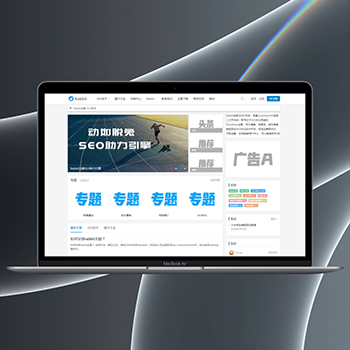 (自适应)WordPress主题SEO自媒体博客资讯模板RabbitV2.0Rabbit v2.0主题专注于网站搜索引擎优化需求,为博客、自媒体及资讯类网站提供专业的SEO技术解决方案。该主题从架构设计到功能实现均围绕搜索引擎优化理念展开。查看源码
 -
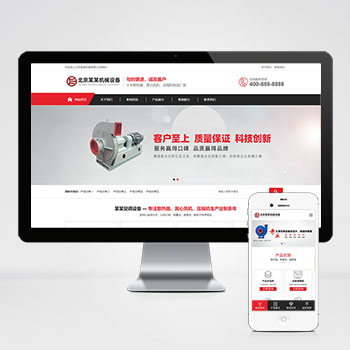 (PC+WAP)压缩机离心风机红色机械设备营销型网站pbootcms模板基于PbootCMS开发的压缩机/离心风机专用模板,助力机械设备企业构建高效营销平台;模板可编辑压缩机参数表、风机性能曲线等专业展示模块查看源码
| 分享笔记 (共有 篇笔记) |