您现在的位置是:首页 > cms教程 > DedeCMS教程DedeCMS教程
mysql group by分组取每组前几条记录加order by排序方法
 华章滕2023-09-24DedeCMS教程已有人查阅
导读mysql分组取每组前几条记录(排名) 附group by与order by的研究,需要的朋友可以参考下--按某一字段分组取较大(小)值所在行的数据复制代
mysql分组取每组前几条记录(排名) 附group by与order by的研究,需要的朋友可以参考下,按某一字段分组取最大(小)值所在行的数据;
复制代码代码如下:
复制代码代码如下:
复制代码代码如下:
二、按name分组取val最小的值所在行的数据。
复制代码代码如下:
复制代码代码如下:
复制代码代码如下:
复制代码代码如下:
复制代码代码如下:
按name分组取最大的两个(N个)val
复制代码代码如下:
这两天让一个数据查询难了。主要是对group by 理解的不够深入。才出现这样的情况
这种需求,我想很多人都遇到过。下面是我模拟我的内容表
我现在需要取出每个分类中最新的内容
明显。这不是我想要的数据,原因是msyql已经的执行顺序是
引用
写的顺序:
由from到where的结果如下的内容。
到group by时就得到了根据category_id分出来的多个小组
到了select的时候,只从上面的每个组里取第一条信息结果会如下
即使order by也只是从上面的结果里进行排序。并不是每个分类的最新信息。
回到我的目的上 --分类中最新的信息
根据上面的分析,group by到select时只取到分组里的第一条信息。有两个解决方法
1,where+group by(对小组进行排序)
2,从form返回的数据下手脚(即用子查询)
由where+group by的解决方法
对group by里的小组进行排序的函数我只查到group_concat()可以进行排序,但group_concat的作用是将小组里的字段里的值进行串联起来。


复制代码代码如下:
/*
数据如下:
name val memo
a 2 a2(a的第二个值)
a 1 a1--a的第一个值
a 3 a3:a的第三个值
b 1 b1--b的第一个值
b 3 b3:b的第三个值
b 2 b2b2b2b2
b 4 b4b4
b 5 b5b5b5b5b5
*/
创建表并插入数据: 复制代码代码如下:
create table tb(name varchar(10),val int,memo varchar(20))
insert into tb values('a', 2, 'a2(a的第二个值)')
insert into tb values('a', 1, 'a1--a的第一个值')
insert into tb values('a', 3, 'a3:a的第三个值')
insert into tb values('b', 1, 'b1--b的第一个值')
insert into tb values('b', 3, 'b3:b的第三个值')
insert into tb values('b', 2, 'b2b2b2b2')
insert into tb values('b', 4, 'b4b4')
insert into tb values('b', 5, 'b5b5b5b5b5')
go
一、按name分组取val最大的值所在行的数据。 复制代码代码如下:
--方法1:
select a.* from tb a where val = (select max(val) from tb where name = a.name) order by a.name
--方法2:
select a.* from tb a where not exists(select 1 from tb where name = a.name and val > a.val)
--方法3:
select a.* from tb a,(select name,max(val) val from tb group by name) b where a.name = b.name and a.val = b.val order by a.name
--方法4:
select a.* from tb a inner join (select name , max(val) val from tb group by name) b on a.name = b.name and a.val = b.val order by a.name
--方法5
select a.* from tb a where 1 > (select count(*) from tb where name = a.name and val > a.val ) order by a.name
/*
name val memo
---------- ----------- --------------------
a 3 a3:a的第三个值
b 5 b5b5b5b5b5
*/
本人推荐使用1,3,4,结果显示1,3,4效率相同,2,5效率差些,不过我3,4效率相同毫无疑问,1就不一样了,想不搞了。 二、按name分组取val最小的值所在行的数据。
复制代码代码如下:
--方法1:
select a.* from tb a where val = (select min(val) from tb where name = a.name) order by a.name
--方法2:
select a.* from tb a where not exists(select 1 from tb where name = a.name and val < a.val)
--方法3:
select a.* from tb a,(select name,min(val) val from tb group by name) b where a.name = b.name and a.val = b.val order by a.name
--方法4:
select a.* from tb a inner join (select name , min(val) val from tb group by name) b on a.name = b.name and a.val = b.val order by a.name
--方法5
select a.* from tb a where 1 > (select count(*) from tb where name = a.name and val < a.val) order by a.name
/*
name val memo
---------- ----------- --------------------
a 1 a1--a的第一个值
b 1 b1--b的第一个值
*/
三、按name分组取第一次出现的行所在的数据。 复制代码代码如下:
select a.* from tb a where val = (select top 1 val from tb where name = a.name) order by a.name
/*
name val memo
---------- ----------- --------------------
a 2 a2(a的第二个值)
b 1 b1--b的第一个值
*/
四、按name分组随机取一条数据。 复制代码代码如下:
select a.* from tb a where val = (select top 1 val from tb where name = a.name order by newid()) order by a.name/*
name val memo
---------- ----------- --------------------
a 1 a1--a的第一个值
b 5 b5b5b5b5b5
*/
五、按name分组取最小的两个(N个)val 复制代码代码如下:
select a.* from tb a where 2 > (select count(*) from tb where name = a.name and val < a.val ) order by a.name,a.valselect a.* from tb a where val in (select top 2 val from tb where name=a.name order by val) order by a.name,a.val
select a.* from tb a where exists (select count(*) from tb where name = a.name and val < a.val having Count(*) < 2) order by a.name
/*
name val memo
---------- ----------- --------------------
a 1 a1--a的第一个值
a 2 a2(a的第二个值)
b 1 b1--b的第一个值
b 2 b2b2b2b2
*/
六、按name分组取最大的两个(N个)val 复制代码代码如下:
select a.* from tb a where 2 > (select count(*) from tb where name = a.name and val > a.val ) order by a.name,a.val
select a.* from tb a where val in (select top 2 val from tb where name=a.name order by val desc) order by a.name,a.val
select a.* from tb a where exists (select count(*) from tb where name = a.name and val > a.val having Count(*) < 2) order by a.name
/*
name val memo
---------- ----------- --------------------
a 2 a2(a的第二个值)
a 3 a3:a的第三个值
b 4 b4b4
b 5 b5b5b5b5b5
*/
七,假如整行数据有重复,所有的列都相同(例如下表中的第5,6两行数据完全相同)。 按name分组取最大的两个(N个)val
复制代码代码如下:
/*
数据如下:
name val memo
a 2 a2(a的第二个值)
a 1 a1--a的第一个值
a 1 a1--a的第一个值
a 3 a3:a的第三个值
a 3 a3:a的第三个值
b 1 b1--b的第一个值
b 3 b3:b的第三个值
b 2 b2b2b2b2
b 4 b4b4
b 5 b5b5b5b5b5
*/
附:mysql “group by ”与"order by"的研究这两天让一个数据查询难了。主要是对group by 理解的不够深入。才出现这样的情况
这种需求,我想很多人都遇到过。下面是我模拟我的内容表
我现在需要取出每个分类中最新的内容
select * from test group by category_id order by `date`
结果如下明显。这不是我想要的数据,原因是msyql已经的执行顺序是
引用
写的顺序:
select ... from... where.... group by... having... order by..
执行顺序:
from... where...group by... having.... select ... order by...
所以在order by拿到的结果里已经是分组的完的最后结果。由from到where的结果如下的内容。
到group by时就得到了根据category_id分出来的多个小组
到了select的时候,只从上面的每个组里取第一条信息结果会如下
即使order by也只是从上面的结果里进行排序。并不是每个分类的最新信息。
回到我的目的上 --分类中最新的信息
根据上面的分析,group by到select时只取到分组里的第一条信息。有两个解决方法
1,where+group by(对小组进行排序)
2,从form返回的数据下手脚(即用子查询)
由where+group by的解决方法
对group by里的小组进行排序的函数我只查到group_concat()可以进行排序,但group_concat的作用是将小组里的字段里的值进行串联起来。
select group_concat(id order by `date` desc) from `test` group by category_id
再改进一下
select * from `test` where id in(select SUBSTRING_INDEX(group_concat(id order by `date` desc),',',1) from `test` group by category_id ) order by `date` desc
子查询解决方案
select * from (select * from `test` order by `date` desc) `temp` group by category_id order by `date` desc
感谢您的认可和支持
微信
支付宝
本文标签:
很赞哦! ()
相关教程
- PHP查询MySQL数据:SELECT语句
- PHP删除MySQL数据记录:DELETE语句
- PHP更新MySQL数据记录:从基础到实践
- PHP插入数据库记录:告别mysql_query正确使用mysqli与PDO
- PHP创建MySQL表的三种方式:告别mysql_query
- 告别mysql_create_db(),PHP中创建数据库的方法
- PHP MySQL数据库连接:从mysqli_connect开始
- Navicat for MySQL
- shopxo的MySQL分组错误解决方法
- Ubuntu实现shopxo商城+Mysql主从复制+NFS
- shopxo怎么实现mysql备份
- shopxo报错No tables to hot-copy at /usr/local/bin/mysqlhotco
图文教程

dede织梦5.7sp1怎么实现下拉菜单自动调用
一、你自己网站正在用的模板的head.htm二、你自己网站正在用的模板的footer.htm或者index.htm,head.htm等等均可,这里推荐footer.htm。
dede织梦信息发布员发布文章自动更新不用审的方法
解决的方法:1、后台:系统设置-> 用户组设定 -> 信息发布员 权限给他加上 “审核我发布的文档” 这个权限,默认是没有这个权限
dedecms绑定手机域名的方法
一、域名、空间设置 织梦根目录下的m文件夹就是手机网站访问的目录;二、pc站模板需要做的修改 完成域名和空间的设置后,接下来我们就要对织梦的模板、后台做相应的设置了。
织梦dedecms栏目高亮channel属性currentstyle使用详解
织梦被点击的栏目高亮显示方法详解,织梦栏目高亮channel属性currentstyle使用详解,废话不多说直接举例说明:
相关源码
-
 (自适应响应式)HTML5甲醛环境检测网站模板带在线留言和资料下载本模板为甲醛检测与环保科技企业开发,采用PbootCMS内核构建。首页集成空气质量数据可视化模块,服务流程采用时间轴展示设计,检测报告板块支持PDF在线预览功能查看源码
 -
 (自适应响应式)HTML5简繁双语电子元器件设备制造Pbootcms模板下载本模板为电子科技设备制造、电子元件生产等高科技企业设计,采用PbootCMS内核开发,具备简繁双语切换功能。模板设计充分考虑了电子科技行业的技术展示需求,能够专业呈现各类电子元器件、电路板、智能设备的参数规格和应用方案。查看源码
 -
 (PC+WAP)铝合金门窗定制pbootcms网站模板源码为铝合金门窗、定制门窗企业打造的高性能网站模板,基于PbootCMS开源内核开发,采用HTML5自适应架构,PC与手机端数据实时同步,覆盖全终端用户交互场景。查看源码
 -
 WordPress主题模板JustNews资讯博客类源码V5.2.2JustNews主题针对博客创作、自媒体运营及资讯发布类网站的需求而设计,提供专业的内容展示与管理方案。该主题集成前端用户中心功能,支持用户在前端界面发布和投稿文章,操作流程简洁高效。查看源码
 -
 (自适应响应式)HTML5中小学早教教育机构类网站pbootcms模板下载基于PbootCMS内核开发的响应式模板,为早教中心、培训学校等教育机构打造,提供从技术架构到视觉呈现的全套网站建设方案。查看源码
 -
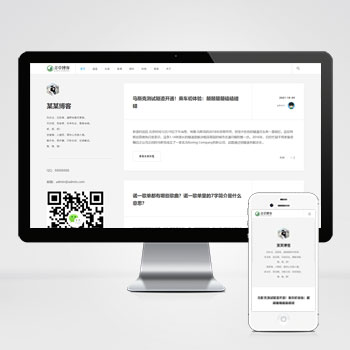 自适应极简风个人博客文章自媒体网站模板基于PbootCMS开源内核开发的极简个人博客模板,采用移动优先设计原则,通过Media Query技术实现320px至1920px六级分辨率适配,确保在手机、平板及PC设备上均呈现良好的视觉体验。查看源码
| 分享笔记 (共有 篇笔记) |